
How independent artists actually get paid in 2026
How music royalties really work in 2026: streaming pro-rata pools, the per-stream truth, PROs, sync, publishing and direct-to-fan income for indies.
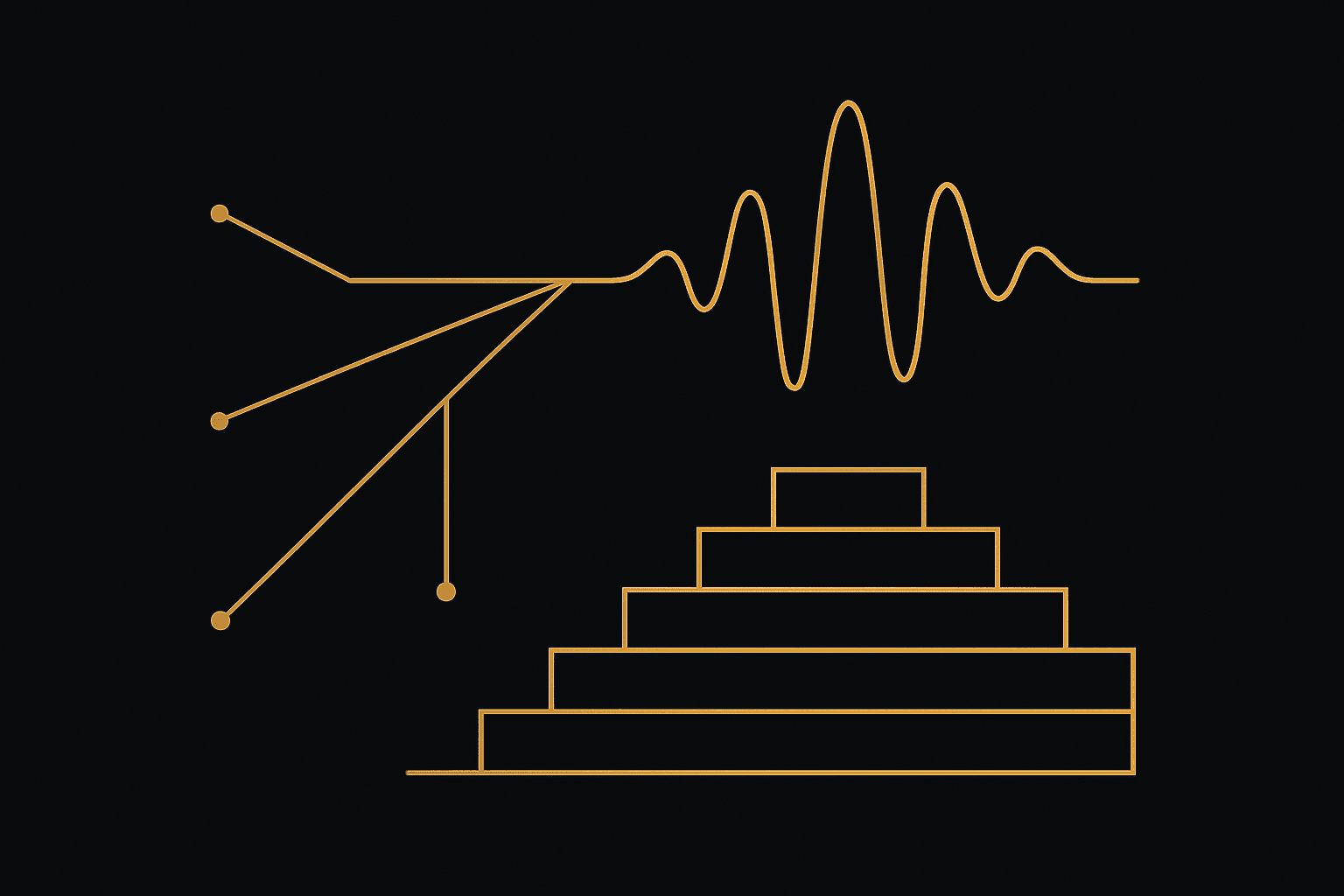
Independent artists in 2026 get paid from several places at once: recording royalties from streaming, performance and mechanical royalties on the songwriting side, sync fees for placements in film, TV and ads, direct-to-fan sales, and live work. Streaming is the most visible source but rarely the most profitable per fan. The artists who do well treat it as one income stream among several, and make sure their metadata and rights registrations are clean so nothing goes uncollected.
How do independent artists actually get paid in 2026?
Independent artists are paid through five main channels: streaming recording royalties, songwriting royalties (performance and mechanical), sync licensing, direct-to-fan sales, and live performance. Each pays on a different schedule, through different intermediaries, and at very different rates. Diversifying across them is the practical reality of earning a living from music now.
The recorded music market is large and growing. Global recorded music revenues reached US$31.7 billion in 2025, up 6.4%, with streaming making up roughly 70% of that total. But "the market is big" and "you personally get paid well" are different statements. How much reaches you depends on which of these channels you are set up to collect from.
| Income stream | Who pays you | How it pays | Typical timing |
|---|---|---|---|
| Streaming (recording) | Distributor, from DSP pools | Share of a monthly pro-rata pool | Monthly, in arrears |
| Performance royalties | PRO (ASCAP, BMI, PRS, etc.) | Per public performance / play | Quarterly |
| Mechanical royalties | Collection society / publisher | Per reproduction or stream | Varies, often quarterly |
| Sync licensing | Music supervisor / brand | One-off fee, sometimes plus backend | On placement |
| Direct-to-fan | Fans, via platform | Per sale of music or merch | Days to weeks |
| Live | Promoter / venue / ticketing | Per show, plus merch | Per event |
How much does Spotify actually pay per stream?
Spotify does not pay a fixed per-stream rate, and says so plainly: "no major streaming service pays a fixed rate per stream." Instead it pays from a monthly revenue pool based on streamshare — if your music is 1% of streams in a country that month, your rightsholder receives roughly 1% of the recording royalties paid in that territory.
That means the value of a single play moves constantly. It depends on the listener's country, whether they are on a paid or free tier, and the total volume of streaming that month. A play from a Premium subscriber in a high-revenue market is worth far more than a free-tier play in a low-revenue one. The same stream is simply not worth a fixed amount.
You will see "$0.003 to $0.005 per stream" quoted everywhere as if it were a rate. It is not. It is a rough average some people derive after dividing total payouts by total streams. Spotify does not set or guarantee any per-stream rate, and your real figure can land well above or below that range depending on territory and subscription mix. Treat any per-stream number as a backward-looking estimate, never a promise.
Why the pool model favours larger catalogues
Because payout is a share of a pool, scale matters. Spotify paid the industry more than $11 billion in 2025 and nearly $70 billion across its lifetime, and says roughly half of 2025 royalties were generated by independent artists and labels. That is genuinely encouraging for indies as a group. But within the pool, a few thousand monthly streams returns a modest sum, which is exactly why other income streams matter.
Why don't my first streams earn anything?
Since April 2024, a track on Spotify must reach at least 1,000 streams in the previous 12 months before it is included in the recording royalty pool calculation. There is also an undisclosed minimum number of unique listeners, kept private to stop bad actors gaming the threshold with a handful of accounts.
This applies per unique recording, not per song, so a re-recording or alternate version has to qualify on its own. Spotify's stated rationale is that tracks under that line generated only tiny amounts individually, and pooling that money raises payments to tracks that clear the bar. Whether you agree with it or not, the practical takeaway is the same: very low-stream tracks earn nothing from streaming, so early income usually has to come from elsewhere.
How do songwriting royalties work, and what is a PRO?
If you write your songs, you own two separate things: the recording and the composition. Streaming pays on the recording side. The composition earns performance and mechanical royalties, and these are collected by different bodies. A performance rights organisation (PRO) collects when your song is played publicly — radio, venues, restaurants, broadcast and online — and pays songwriters and publishers, typically quarterly.
In the US the major PROs are ASCAP, BMI and SESAC; in the UK it is PRS for Music; most countries have an equivalent. Joining is cheap or free: BMI is free for songwriters and ASCAP charges a one-time $50. If you never register, performance royalties on your own compositions go uncollected — money that was generated but that no one routed to you.
Metadata is what connects plays to payments
Identifiers do the matching. An ISRC identifies a single recording and a UPC identifies a release; without them, platforms and societies struggle to attribute plays, and royalties arrive late or not at all. Keep the same ISRC for a recording for life, and keep titles, artist names and credits byte-for-byte identical across every distributor and society, because inconsistent metadata splits your royalty trail.
| What affects your take-home | Why it matters |
|---|---|
| Territory of the listener | Per-stream value varies widely by country |
| Subscription tier | Paid-tier plays fund most of the pool |
| Monetization threshold | Under 1,000 annual streams earns nothing |
| PRO registration | Unregistered = performance royalties uncollected |
| ISRC / UPC accuracy | Bad metadata delays or loses payments |
| Distributor terms | Determines your cut and which rights they collect |
How do sync, direct-to-fan and other income compare?
These channels pay far more per transaction than streaming pays per play, which is why they anchor most sustainable indie careers. Sync licensing places your music in film, TV, ads and games for a fee. Direct-to-fan sells music and merch straight to your audience at a high revenue share. Both reward a smaller, engaged fanbase rather than raw stream counts.
Sync fees vary by use. Indie-artist placements commonly run $250 to $5,000, indie films often $500 to $5,000 per song, and national US commercials can reach five or six figures. Industry-wide, recorded music sync revenue was around US$641 million in 2025, so it is real but competitive money.
Direct-to-fan flips the economics. Bandcamp returns an average of 82% of each sale to the artist — a 15% share on music and 10% on merch, before payment fees — versus a fraction of a cent per stream. The contrast is stark enough that many artists treat streaming as discovery and direct sales as income. The same audience-first thinking applies to growing reach on video platforms, which we cover in our 2026 YouTube growth guide.
What about AI-generated music and fraud?
This affects honest artists indirectly, through where DSPs point recommendations and royalties. Deezer became the first platform to tag AI-generated tracks, and reported that AI tracks reached 44% of daily uploads in early 2026. It excludes fully AI-generated tracks from editorial and algorithmic recommendations.
Deezer also found that up to 85% of streams on fully AI-generated tracks were fraudulent in 2025, and strips manipulated streams from royalty payments. For a legitimate independent artist the lesson is defensive: clean metadata, real engagement and a diversified income base protect you from both the noise and the fraud crackdowns it triggers.
Working with Nabtiq
Getting paid fully is less about chasing a higher per-stream rate and more about plumbing: the right distributor terms, a PRO registration, clean ISRC and UPC data, and income spread across streaming, sync, publishing and direct-to-fan. Each piece is collectable money that quietly disappears when it is missing.
If you want help setting up that foundation, our artist management and music distribution work covers release strategy, metadata hygiene and building income beyond streaming. Tell us where your catalogue is today and we will map the gaps worth closing first.
Frequently asked questions
How much does Spotify pay per stream?
There is no fixed per-stream rate. Spotify pays from a monthly revenue pool based on your share of total streams, so payout shifts with the listener's country, subscription tier and overall volume. Quoted figures like a fraction of a cent are averages after the fact, not a rate Spotify sets or guarantees.
Do my tracks earn royalties from the first stream?
Not on Spotify. Since April 2024 a track must reach at least 1,000 streams in the prior 12 months, plus a minimum number of unique listeners, before it earns recording royalties from the pool. Tracks below that threshold simply do not draw from the recording royalty pool that month.
What is a PRO and do I need to register with one?
A performance rights organisation such as ASCAP, BMI or PRS for Music collects performance royalties when your songs play publicly on radio, in venues and online, then pays songwriters and publishers quarterly. If you write your own music and never register, those royalties go uncollected. Registration is low-cost or free.
Why does accurate metadata affect how much I earn?
Identifiers like ISRC (per recording) and UPC (per release) let platforms and collection societies match plays to the right owner. Missing or inconsistent metadata causes delayed or unmatched royalties. Keep the same ISRC for life, and keep titles and credits identical across every distributor and society.
Should I rely on streaming alone for income?
No. Streaming pays via pro-rata pools where small catalogues earn little. Most independent artists build income across streaming, direct-to-fan sales, sync licensing, publishing and live performance. Direct-to-fan platforms return a far higher share per sale than streaming pays per play, and sync can pay meaningful one-off fees.